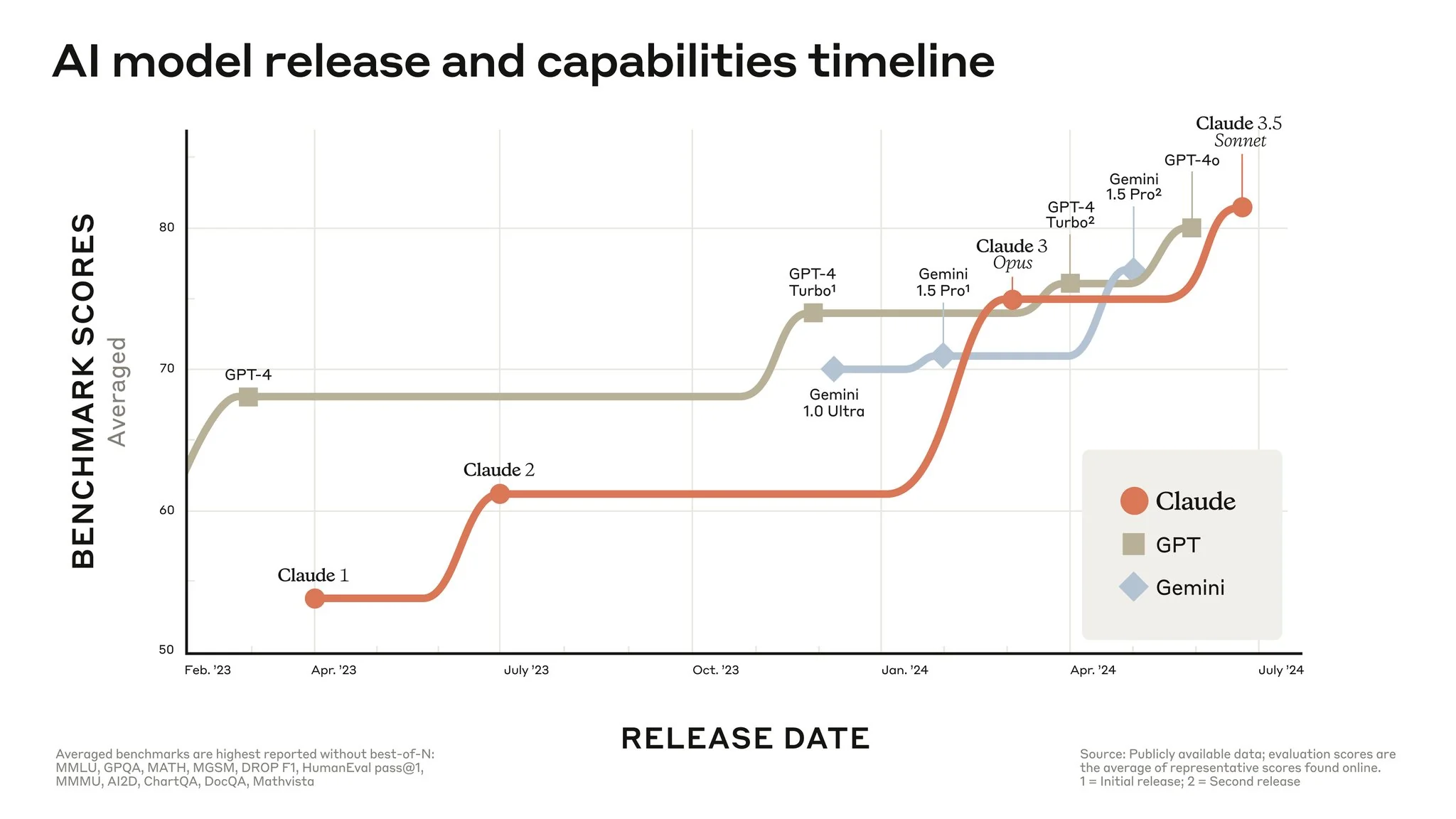
Which AI model should a legal team use in 2026? The short answer: Claude for confidential drafting and nuanced contract analysis, Gemini for legal research that needs current sources, and ChatGPT for broad drafting and workflow support. No single model wins every task. The safe route is matching each model to the task, the sensitivity of the data and your review process.
Detailed Analysis and Comparison
This updated comparison looks at ChatGPT, Claude, Gemini, and comparable enterprise AI assistants through the lens that matters for legal teams in 2026: accuracy, confidentiality, legal research quality, human review, procurement controls, and governance evidence.
Model names and rankings change quickly. The governance questions do not. Legal teams still need to know which work may use an external assistant, which data may be entered, how outputs are verified, how client confidentiality is protected, and how the organization proves responsible use under procurement, privacy, and EU AI Act obligations.
AI language models are already used for contract analysis, legal research, document drafting, knowledge management, and client communication. This analysis evaluates the main model families based on accuracy, understanding of legal terminology, confidentiality, adaptability, integration, and governance fit for legal practice.1
Need a legal AI governance route?
Start with Embed AI's AI Act gap intake to map tools, vendor controls, data use, human review and evidence needs before choosing or expanding an AI assistant.
Comparison of the Models
ChatGPT
Features and Capabilities: Developed by OpenAI, known for its versatility in tasks such as writing, coding, and general communication. It offers various versions, from free to premium (e.g., GPT-4o and the new o1 series).2
Strengths:
- Broadly applicable, with a large user base and many supporting resources.
- Advanced reasoning skills through chain-of-thought training, which is particularly useful for legal analyses.2
Weaknesses:
- There are concerns about accuracy, with reports of "hallucinations" (incorrect information).
- Privacy issues, as user data may be used for training.1
Legal Use:
- Good for routine tasks such as drafting simple letters or summarizing general legal information.
- Less reliable for sensitive or complex legal advice without human verification.2
Claude
Features and Capabilities: Developed by Anthropic, with a focus on ethical AI and detailed, nuanced responses. It offers free and paid plans.1
Strengths:
- Emphasizes ethics and safety, crucial for legal contexts.
- Known for its ability to handle complex tasks, such as drafting accurate legal documents.
- Privacy-focused: uses advanced privacy-preserving techniques as described in the Clio platform.1
Weaknesses:
- Less well-known than ChatGPT, potentially fewer resources available.
- May have limitations in certain areas compared to more established models.1
Legal Use:
- Excellent for tasks requiring high accuracy and ethical considerations, such as drafting important contracts or providing legal advice.
- Suitable for confidential client communications due to its focus on privacy.1
Gemini
Features and Capabilities: Developed by Google, with access to real-time information via Google Search. It offers free and paid plans, such as Gemini Advanced with Deep Research capabilities.3
Strengths:
- Backed by Google, with potential integration with tools like Google Docs, useful for legal professionals.
- Good for legal research requiring up-to-date information, thanks to the new Deep Research functionality.3
Weaknesses:
- Relatively new, with fewer documented use cases in the legal sector.
- Potential concerns about bias or accuracy, similar to other AI models.1
Legal Use:
- Ideal for legal research requiring the latest information, such as recent legislation or precedents.
- Less suitable for tasks requiring in-depth legal expertise without additional verification.3
Where They Excel
- ChatGPT: Excels in reasoning skills through chain-of-thought training, which is particularly useful for complex legal analyses.2
- Claude: Excels in accuracy, ethics, and detailed analyses, especially for sensitive legal documents and advice, with strong privacy safeguards.1
- Gemini: Shines in deep research and real-time information access, perfect for legal research requiring up-to-date data.3
Pros and Cons
Below is a table summarizing the pros and cons for each model in legal contexts:1 2 3
| Model | Pros | Cons |
|---|---|---|
| ChatGPT | Advanced reasoning skills, large user base, suitable for complex legal analyses. | Accuracy issues, privacy concerns, less reliable for sensitive legal tasks. |
| Claude | Ethical, detailed, privacy-focused with Clio platform, reliable for sensitive tasks. | Less well-known, potential limitations in certain areas. |
| Gemini | Deep Research functionality, Google integration, good for current legal research. | New, less documented, potential bias or inaccuracy. |
From model choice to responsible rollout
Discuss your privacy or AI governance question with Zahed Ashkara. We agree the scope, deliverables and planning after intake.
Specific Examples for Legal Use
Contract Drafting:
- ChatGPT: Can generate a basic draft with advanced reasoning skills. For example, it can draft a standard agreement and identify potential legal risks thanks to chain-of-thought training.2
- Claude: Produces accurate and detailed drafts, ideal for complex contracts. For example, it can analyze clauses and suggest improvements, with attention to ethical implications, as shown in the Clio research.1
- Gemini: Can integrate recent legal standards thanks to Deep Research functionality. For example, it can add current legislation, but human verification remains necessary.3
Legal Research:
- ChatGPT: Can provide in-depth analyses thanks to improved reasoning skills. For example, it can analyze legal precedents and make logical connections between different cases.2
- Claude: Delivers detailed analyses based on training data, suitable for detailed case studies. For example, it can analyze precedents and generate detailed reports, with respect for privacy as demonstrated in the Clio research.1
- Gemini: Excels in deep research, ideal for research on recent legislation. For example, it can find the latest case law via the Deep Research functionality, but verification is essential.3
Client Communication:
- ChatGPT: Good for general communication, with improved safety against jailbreaks and inappropriate content. For example, it can draft a professional email with consideration of ethical guidelines.2
- Claude: Suitable for sensitive topics thanks to ethical guidelines and privacy safeguards. For example, it can generate an empathetic and safe response for clients with legal concerns, as shown in the Clio research on real-world use.1
- Gemini: Similar to ChatGPT, but can add deep research, such as recent updates relevant to the client via the new experimental models.3
Predictive Analysis:
- All three can be used for predicting case outcomes, but accuracy depends on the quality of the training data and the specific task. For example:1
- ChatGPT: Can make complex reasoning and predict possible outcomes thanks to chain-of-thought training.2
- Claude: Can create detailed risk analyses with ethical considerations, based on patterns identified in the Clio research.1
- Gemini: Can integrate recent precedents into predictive models via the Deep Research functionality.3
Conclusion
The choice between ChatGPT, Claude, and Gemini for legal applications depends on the specific needs of the task. Claude is likely the best choice for tasks requiring high accuracy, ethical considerations, and privacy, such as drafting important documents, as shown in the Clio research.1 Gemini is useful for legal research requiring up-to-date information thanks to deep research capabilities,3 while ChatGPT is suitable for broad drafting, analysis, and workflow support.2 It's important to acknowledge that these models continuously evolve, so their capabilities may change quickly. Human verification remains essential, especially for sensitive legal tasks, due to potential inaccuracies and controversy about reliability.
For 2026 procurement, do not choose on model capability alone. Decide which legal workflows are allowed, which data is off limits, which vendor evidence is required, how outputs are reviewed, and where the audit trail lives. If the open question is whether to buy governance tooling or start with specialist support, use the AI Act software or consultant comparison. Embed AI's AI Act gap intake gives legal and compliance teams a structured starting point.
Frequently Asked Questions
Which AI model is best for legal work in 2026?
There is no single best model. Claude is a strong default for confidential drafting and nuanced contract analysis, Gemini leads for legal research that needs current sources, and ChatGPT is the most versatile option for drafting, summaries and workflow support. Match the model to the task, the sensitivity of the data and your review process.
Can lawyers use ChatGPT for client data?
Not in the free consumer version. For client-related work you need an enterprise or team plan with a training opt-out, a data processing agreement and clear internal rules on what may be entered. Many legal teams keep privileged or identifying client data out of external AI assistants entirely.
Which AI model is most accurate for legal research?
Gemini currently has an edge for research that depends on up-to-date sources, thanks to Deep Research and Google Search grounding.3 All three models can still cite case law that does not exist, so a lawyer must verify every citation and source before it is used.
Is Claude or ChatGPT better for contract analysis?
Claude is often preferred for long, nuanced contract review because it handles large documents and subtle qualifications well.1 ChatGPT is strong at structured reasoning over clauses and risks.2 In practice many teams use both and always keep a human reviewer in the loop.
What should a law firm check before adopting an AI assistant?
Five things: which tasks are allowed, which data may never be entered, the vendor's data processing and training terms including EU hosting options, how output is reviewed before it reaches a client, and how staff build the AI literacy that Article 4 of the EU AI Act expects.
Do ChatGPT, Claude and Gemini fall under the EU AI Act?
The models themselves are general-purpose AI, regulated mainly at the provider level. For a legal team the obligations sit in responsible use: AI literacy under Article 4, transparency where relevant, and privacy and procurement requirements. A governance scan maps which duties apply to your practice.
Put this comparison to work
Want an independent review of the AI models your legal team uses or plans to buy? Start with Embed AI's AI Act gap intake. The AI governance scan maps each assistant against GDPR and EU AI Act requirements, and LearnWize trains your team through its legal track with role-based Article 4 AI literacy. Lawyers in the Netherlands can also earn training credits: Embed AI has been recognised as a training institution by the Netherlands Bar (NOvA) since 20 July 2026, and its AI courses for the legal profession award one training credit per net hour of teaching.